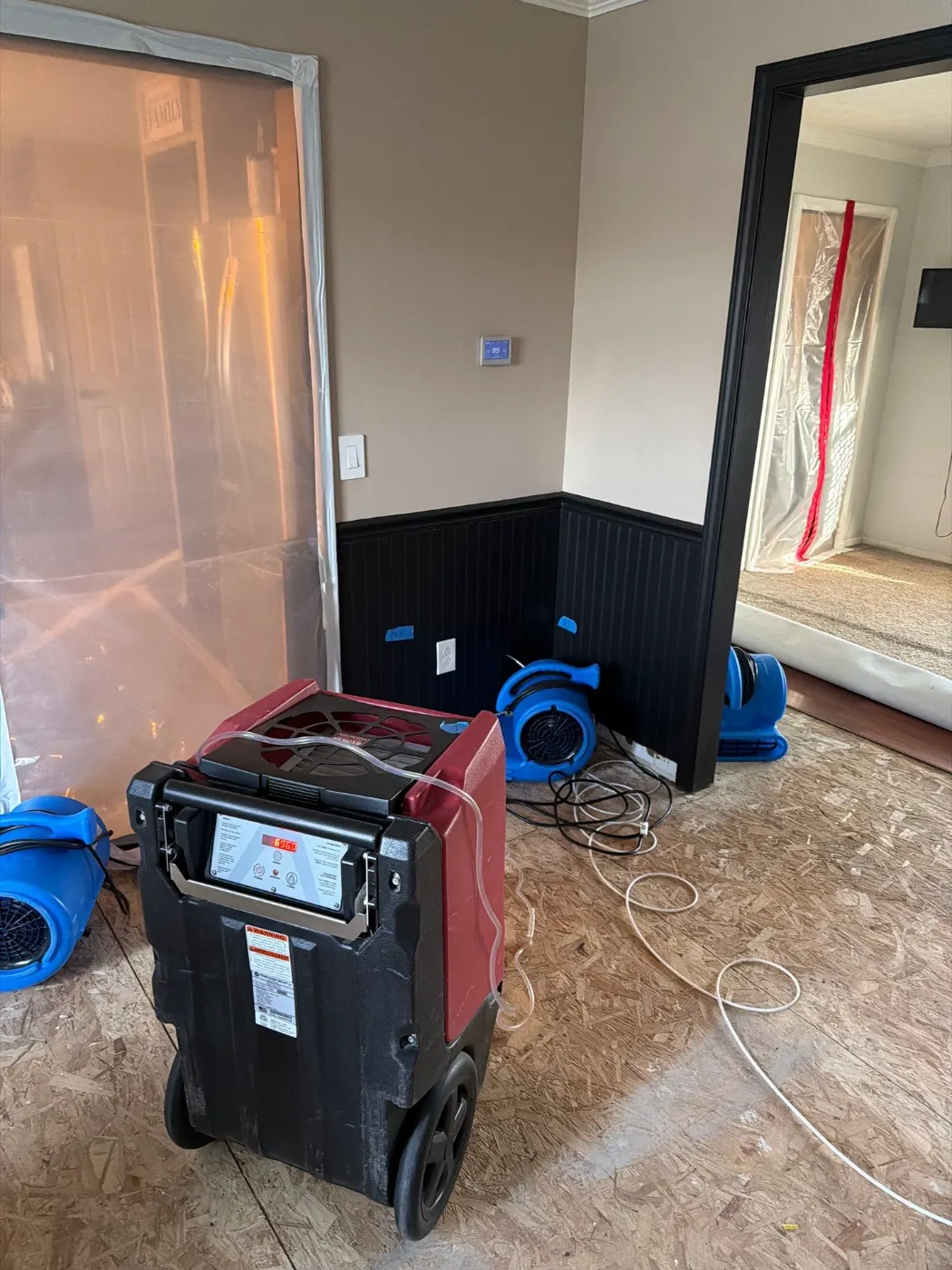
Basement Flooding in Pheasants Run, IN
Pheasants Run Water Restoration helps you keep as much of your finished Pheasants Run basement as the moisture readings allow.
Pheasants Run Water Restoration handles Basement Flooding for Pheasants Run, IN homeowners: emergency dispatch around the clock, IICRC certified technicians, and insurance coordination on approved claims. Call (765) 436-6771.
- Service: Basement Flooding for Pheasants Run homeowners
- Service area: Pheasants Run, IN and surrounding areas
- Response time: Same day emergency response for Pheasants Run; 24/7 availability
- Licensed and insured (License #RC21100059)
- Serving Pheasants Run, IN since 2018
Basement Flooding Cleanup in Pheasants Run
We'll pump out and dry a flooded basement anywhere in Pheasants Run, day or night.
Where the Water Comes From
Homes near the Wabash River face added flood risk after heavy rain. In heavy storms, sewer water can also back up through floor drains, and that turns the job into sewage cleanup.
Our crews work all over Pheasants Run, from Pheasant Run to the streets near Ross-Ade Stadium and Veterans Memorial Parkway. Nearby, we also pump out basements in West Lafayette and Dayton.
Expert Basement Flooding for Pheasants Run Homeowners
Water has been in your Pheasants Run basement before, which changes what the drying plan has to account for. Material that's been wet once holds more moisture at the same conditions, old staining hides new staining, and a previous repair can trap water behind it. Pheasants Run Water Restoration dispatches a crew within two hours, reads the whole perimeter, and documents the current loss separately from anything that happened in earlier years.
A basement job in Pheasants Run gets its own checklist on the first visit. The crew checks power at the panel, finds the entry point, pumps the slab and reads the walls at several heights. Pheasants Run Water Restoration photographs each step, and the drying equipment goes in before the crew leaves, so you'll have photos and readings from the first day.
You hear from the Pheasants Run Water Restoration crew before decisions get made. The scope gets walked with you and signed off before any drywall gets cut, the daily readings get shared at each visit, a change in scope arrives with photos and an explanation attached, and the full package of readings, photos and line items ends up in your hands when the file's closed out.
Contents are their own piece of a basement claim and they're easy to lose track of in the cleanup. Pheasants Run Water Restoration photographs what was on the floor, lists what came out of the house, and notes what the water reached on each item before it moves. If you decide to file a claim for your belongings, the inventory and photos come straight out of the job file.
Pick up the phone while the water's still there, because the photos a carrier wants most are the ones taken before cleanup starts. Pheasants Run Water Restoration dispatches to Pheasants Run within two hours, 24 hours a day, and the crew documents the loss while it works through it. The inspection costs you nothing and the file belongs to you.
Signs You Need Basement Flooding Cleanup
If you notice any of these in your Pheasants Run home, schedule a free inspection before the issue worsens.
Battery backup alarm sounding on the sump pump, or a backup battery that ran flat in an outage
Water dripping through the basement ceiling below the first floor laundry room or bathroom
A crack in the slab or the wall that stays wet when everything around it has dried
Doors and trim in your Pheasants Run basement swelling and sticking in the frame after a wet spell
Fine silt or mud left in a film across your Pheasants Run basement floor after the water went down
Cardboard boxes gone soft at the bottom corners, or collapsing when you pick them up
A rust line on metal shelving legs, or on the base of the water heater and furnace
Standing water across the slab, or pooled at the low spot of the floor near the drain
Condensation beading on cold water lines while the concrete floor stays dark and cool
Wall panels or foam board in your Pheasants Run basement bulging outward, with water trapped behind them
How Pheasants Run Water Restoration Handles Basement Flooding
We follow these steps in order on every Pheasants Run job.
Source Check
The crew finds where the water came from and photographs it before anything moves. Seepage through a foundation wall gets handled differently from a backup out of a sanitary line, and the source decides what protective gear the job needs and which materials come out.
Stopping the Inflow
Before your Pheasants Run basement can dry, the water has to stop coming in. The crew shuts off a failed supply line or sets a temporary pump where groundwater is still rising, then photographs the entry point for the trade that makes the repair.
Water Classification
The crew assigns a water category in your Pheasants Run home from the source and from the hours the water has sat, and the category sets the protective gear and which materials come out. Sewage is Category 3 and gets handled as a sewage cleanup.
Controlled Removal
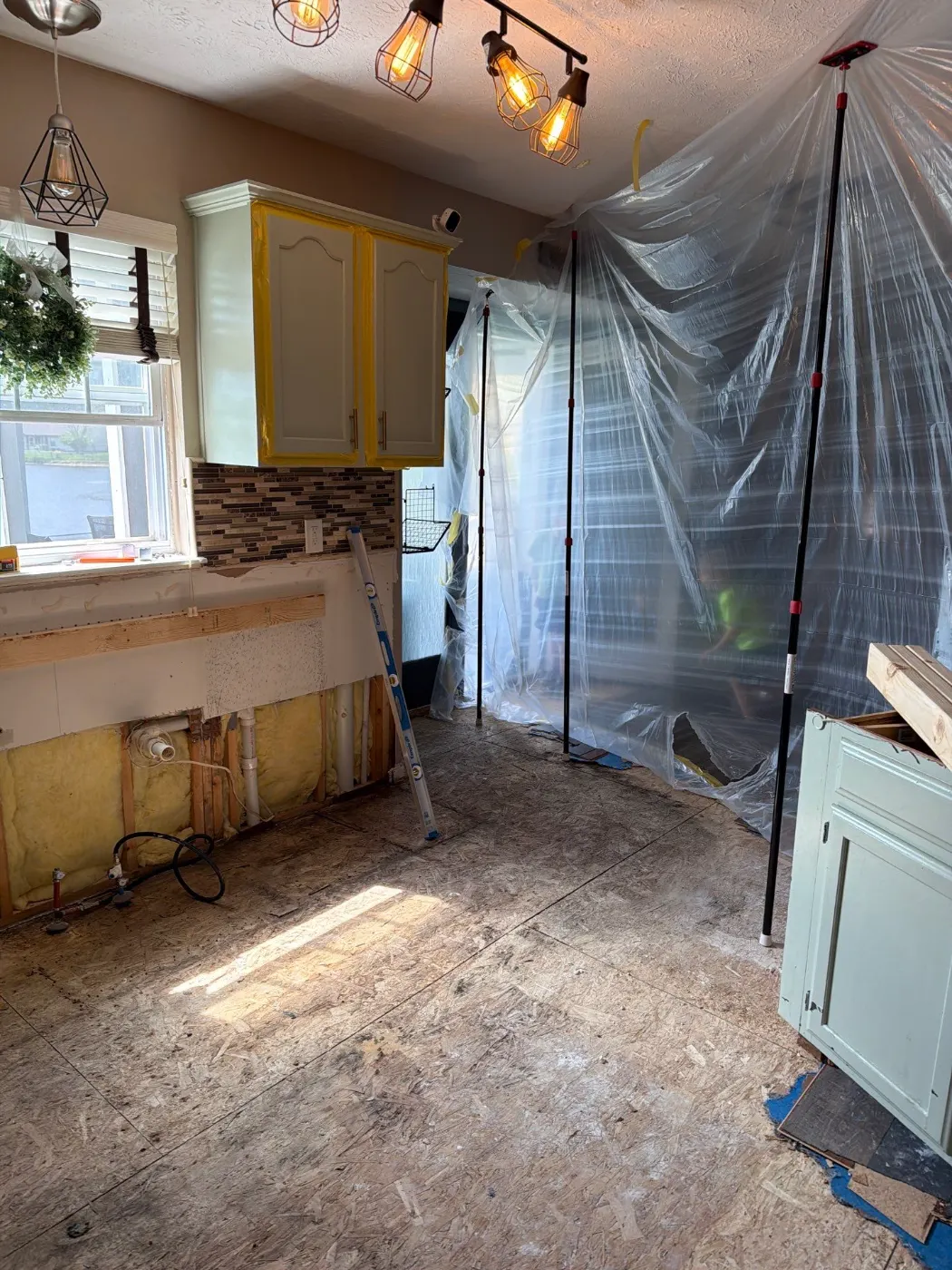
Drywall that wicked water gets cut at a measured height, wet batt insulation comes out of the bays and gets bagged, and carpet pad goes out. Material the meters show dry stays in place, and every removal gets photographed before it happens.
Clearance Verification
Final readings get taken on every material that was wet and compared against the same material elsewhere in the house that the water never reached. Equipment comes out after those numbers are documented, and the containment comes down after the equipment does.
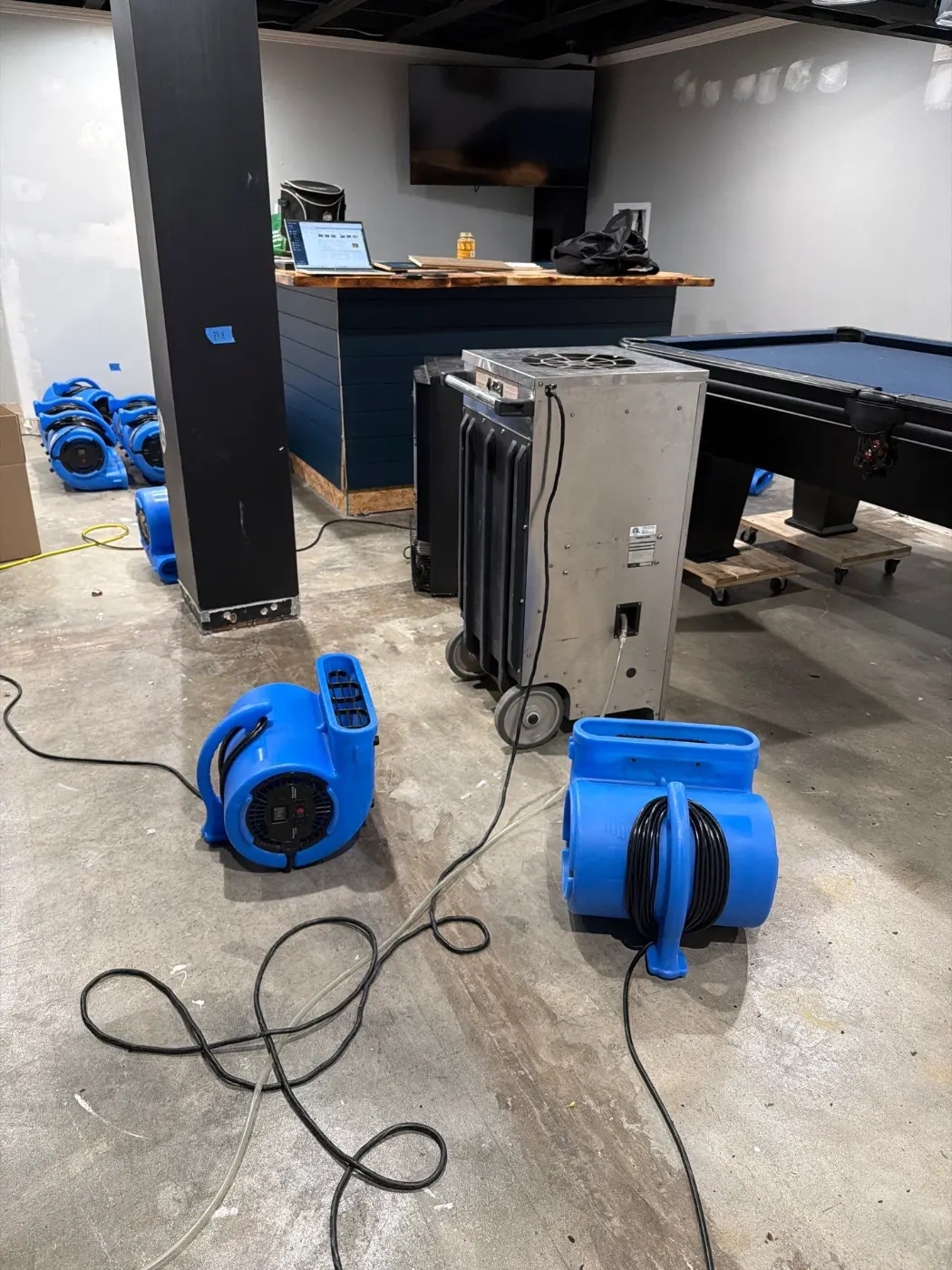
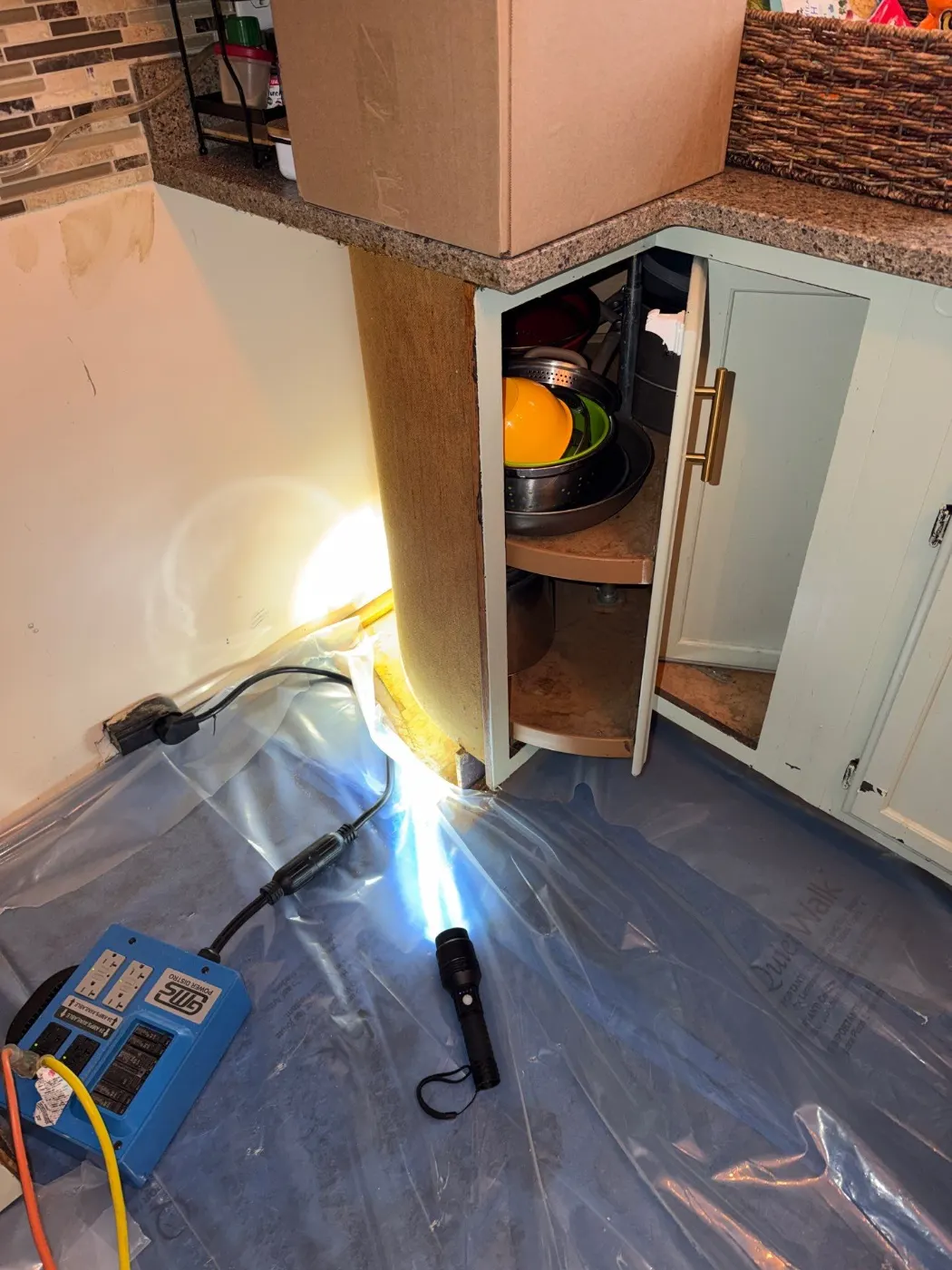
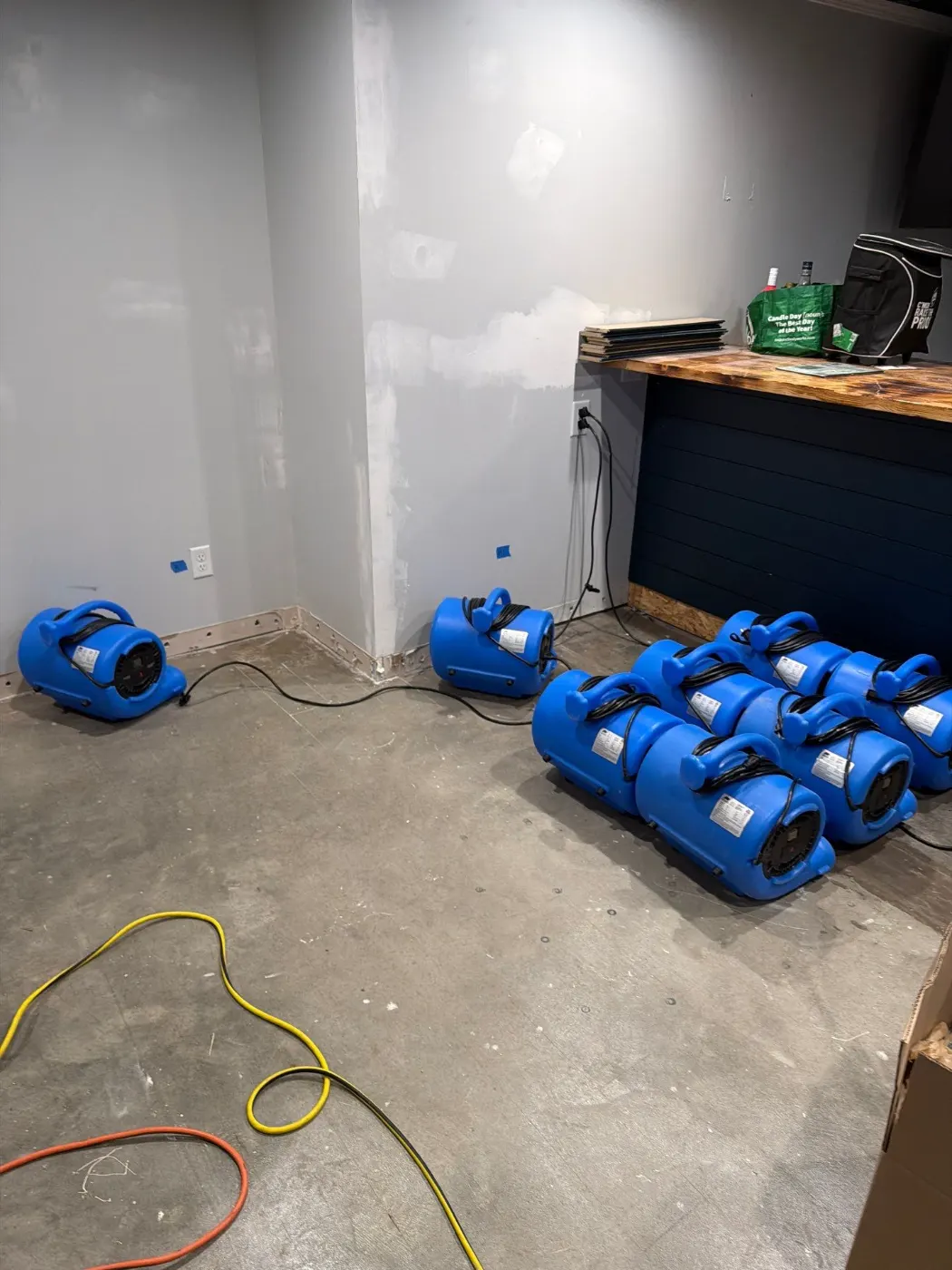
Basement Flooding in Pheasants Run
Photographs from real basement flooding jobs completed by our crew in Pheasants Run and surrounding areas.
Basement Flooding FAQ
Questions Pheasants Run homeowners ask us about basement flooding cleanup.
Guidance and Standards for Basement Flooding
- EPA advises drying water damaged areas and items within 24 to 48 hours to prevent mold growth. EPA: A Brief Guide to Mold, Moisture and Your Home
- Ready.gov notes that homeowners insurance policies don’t cover flooding, so check what your own policy says. Ready.gov: Floods
Pheasants Run Neighborhoods We Serve
We take basement flooding calls in every part of Pheasants Run. Pick your neighborhood for local details.
Other Restoration Services in Pheasants Run
Pheasants Run Water Restoration handles the full scope of restoration work. Explore our other services below.
Water Damage Restoration in Pheasants Run
24/7 emergency response. IICRC certified water restoration from extraction to full dry out.
Learn more →Sewage Cleanup in Pheasants Run
Category 3 biohazard cleanup. Full containment, decontamination, structural restoration.
Learn more →Storm Damage in Pheasants Run
Storm related water emergencies. Tarping, extraction, drying, and full restoration.
Learn more →Request Basement Flooding Cleanup
Reach Us Directly
Our team is available 24/7 for emergencies and ready to schedule inspections during business hours.
Need Immediate Help?
For active water or mold emergencies, call us directly. We are available 24/7.