Commercial Flood Damage Cleanup in Pheasants Run, IN
Commercial flood cleanup for Pheasants Run warehouses, retail floors, loading docks and below grade levels, documented for your carrier.
Pheasants Run Water Restoration handles Commercial Flood Damage Cleanup for Pheasants Run, IN homeowners: emergency dispatch around the clock, IICRC certified technicians, and insurance coordination on approved claims. Call (765) 436-6771.
- Service: Commercial Flood Damage Cleanup for Pheasants Run homeowners
- Service area: Pheasants Run, IN and surrounding areas
- Response time: Fast local response for Pheasants Run; live dispatch every hour of the year
- Licensed and insured (License #RC21100059)
- Serving Pheasants Run, IN since 2018
Commercial Flood Cleanup in Pheasants Run
When floodwater reaches a commercial building in Pheasants Run, we'll pump it out and dry the structure section by section.
Flood Exposure Here
Flood risk here runs highest for sites close to the Wabash River, which has a history of flooding. Your building's own flood exposure gets mapped when we walk the site with your facilities contact.
Our flood crews work commercial sites throughout Pheasants Run, including the blocks around Tippecanoe Mall. We also handle commercial flood cleanup in Dayton and Battle Ground.
Commercial Flood Damage Cleanup for Pheasants Run Businesses
The first decision on a commercial flood loss is scale. A crew with two air movers and a portable extractor can't drain a loading dock or dry a full retail floor plate, and an undersized response costs you days of occupancy you don't get back. Pheasants Run Water Restoration mobilizes commercial equipment and crew counts to losses in Pheasants Run, IN, with dispatch inside two hours and additional pumps staged on what the crew reports from the property.
The height of a flood cut comes from the meter. Readings above the waterline show how far the wicking went, and Pheasants Run Water Restoration sets each cut a measured distance past the highest wet reading. The open cavity gets checked again before the crew moves on, and the photos and numbers for every cut go in your Pheasants Run file.
The dispatcher on a commercial flood call asks where the water came from, how deep it stands, roughly how many square feet are wet, whether a below grade level is involved and whether the power is still on. Those answers set the pump count and the crew size for your Pheasants Run property before anyone loads a vehicle.
Where the water first appeared can change which coverage an adjuster considers. Water that came in under a door or across a threshold reads as surface flooding, while water that rose through floor drains may be looked at as sewer or drain backup. Pheasants Run Water Restoration records the first point of entry for your Pheasants Run property, which gives the adjuster a specific starting fact.
Carpet, cushion, drywall and insulation that sat in floodwater are headed for the dumpster, and the record of what left is easiest to build while it's happening. Call Pheasants Run Water Restoration before demolition starts, and the crew photographs and logs each area of your Pheasants Run property as the material comes out.
Signs You Need Commercial Flood Damage Cleanup
If you notice any of these in your Pheasants Run building, schedule a free inspection before the issue worsens.
Floodwater that reached electrical panels or outlets on the ground floor
Visible water or damp conduit inside an electrical room, or a panel with moisture at the base
Standing water in a stairwell or parking level below the building
An adjuster or lender asking for moisture readings and photographs of the flood damage
Water sitting in the loading dock well because the dock drain can't keep up
Doors that stick or swell at the bottom edge after water reached the frames
Acoustic ceiling tiles stained brown or sagging out of the grid in a line under a pipe run
Sewer smell on the lower level after floodwater came up through the floor drains
Retail storefront taking water under the front doors during a heavy rain
A discharged sprinkler head with ceiling tiles collapsed or sagging in the grid below it
How Pheasants Run Water Restoration Handles Commercial Flood Damage Cleanup
We follow these steps in order on every Pheasants Run job.
Two Hour Dispatch
Pheasants Run Water Restoration dispatches a commercial crew to the property within two hours of the call, day or night. The truck arrives loaded with submersible and trash pumps, truck mounted extraction, dehumidification, air movers, moisture instruments, and containment material for the square footage reported on the phone.
Mapping the Wet Area
Thermal imaging and penetrating meters survey every affected area, including the slab, wall cavities, ceiling plenums, and anything below grade. The wet boundary gets marked on a floor plan, so the drying scope matches the real footprint of the water and a carrier can follow why each area was treated.
Source and Contamination Check
The crew records where the water came from and what it crossed, and photographs the entry point. Floodwater and sewer backups get containment with HEPA filtered negative air before anything else, and every load of soaked material that leaves gets documented.
Removing Soaked Materials
Porous materials soaked by floodwater, such as carpet and drywall, come out to the height the readings call for and get bagged where they fall. Each area is photographed before and after, and quantities go in the log.
Slab and Concrete Drying
Concrete and masonry hold bound water long after the surface feels dry. In situ relative humidity probes and surface readings taken from the same marked locations daily show what the slab is doing, which is what decides when flooring can go back down over it.
Commercial Flood Damage Cleanup in Pheasants Run
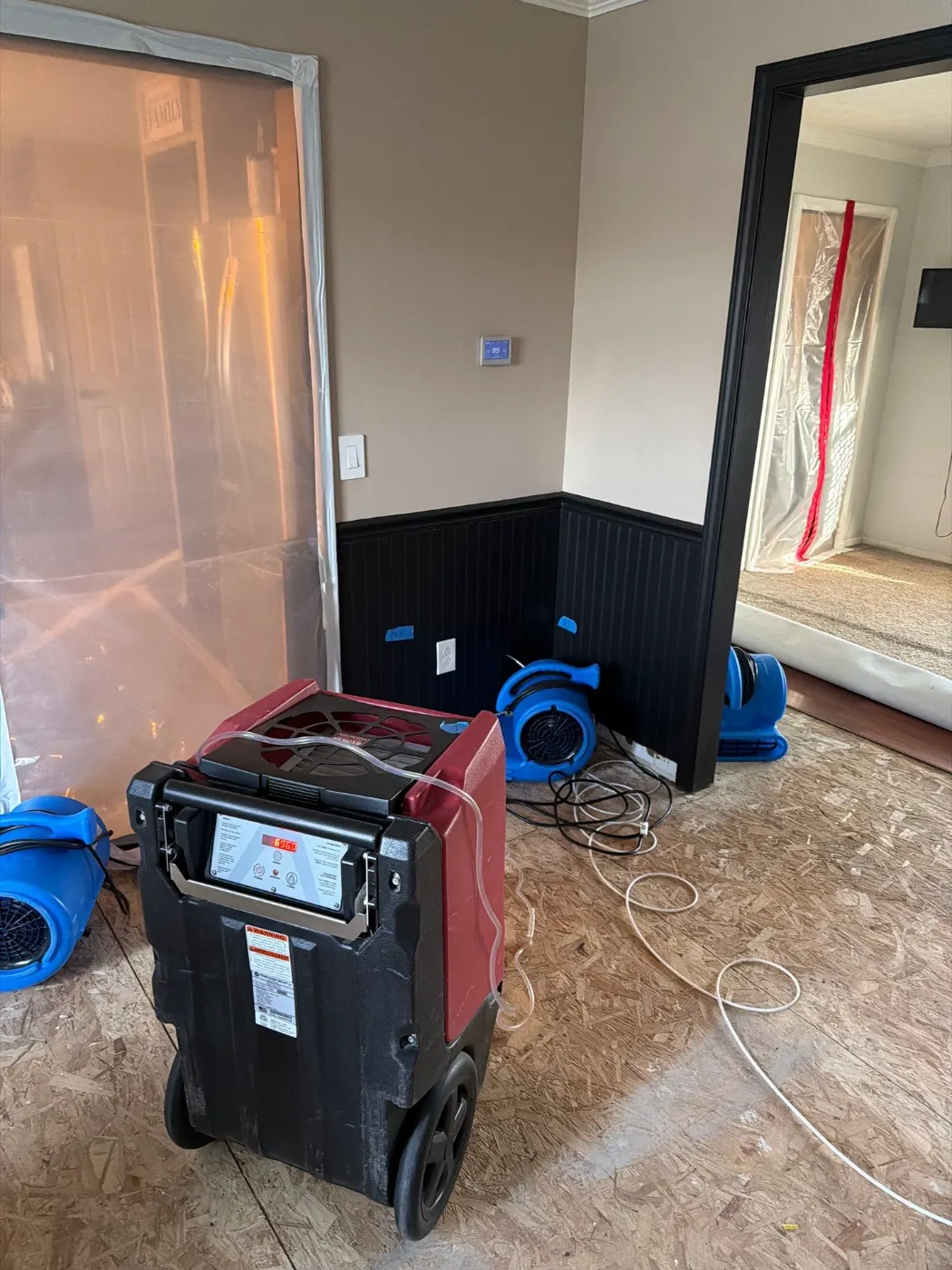
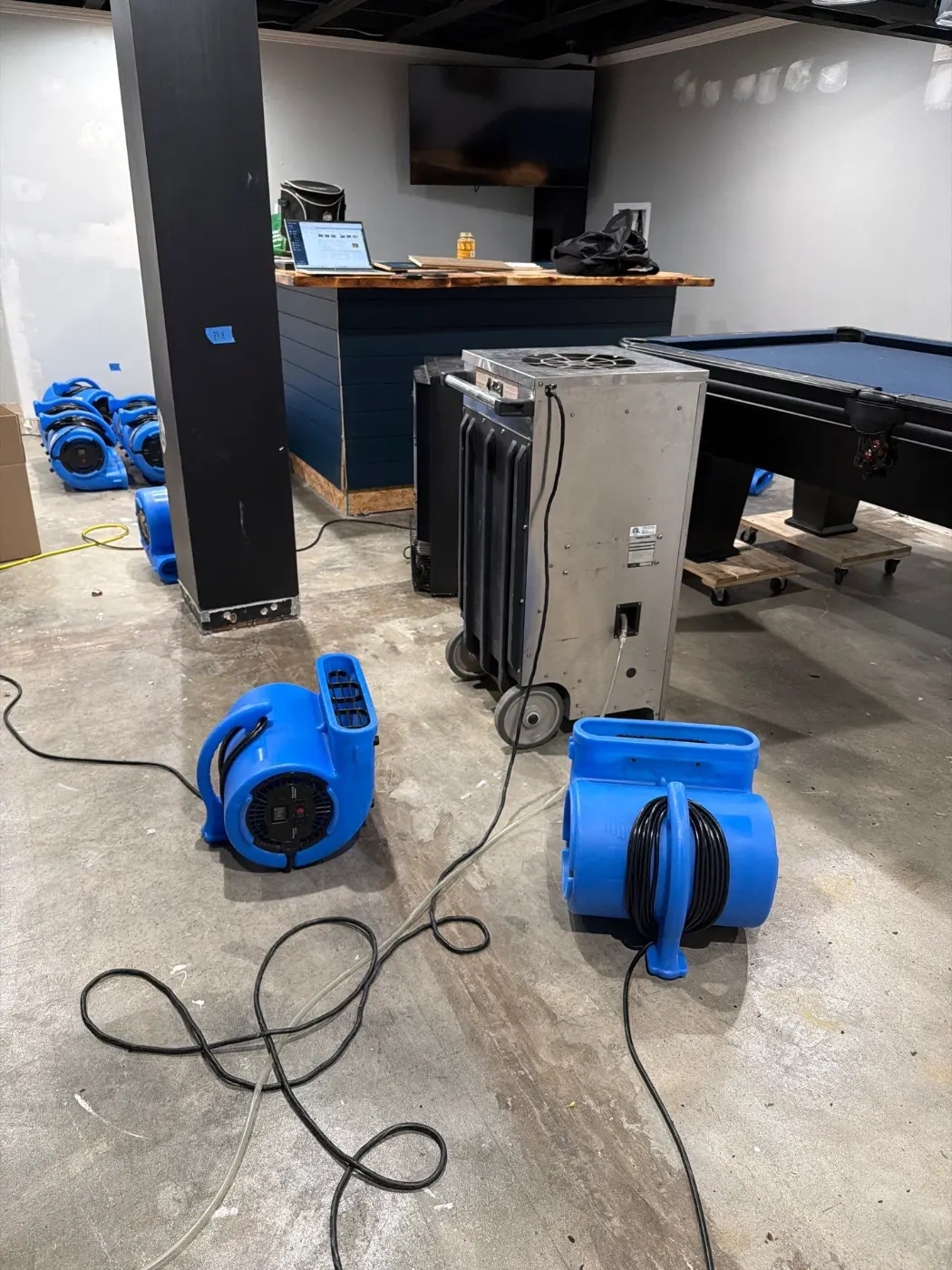
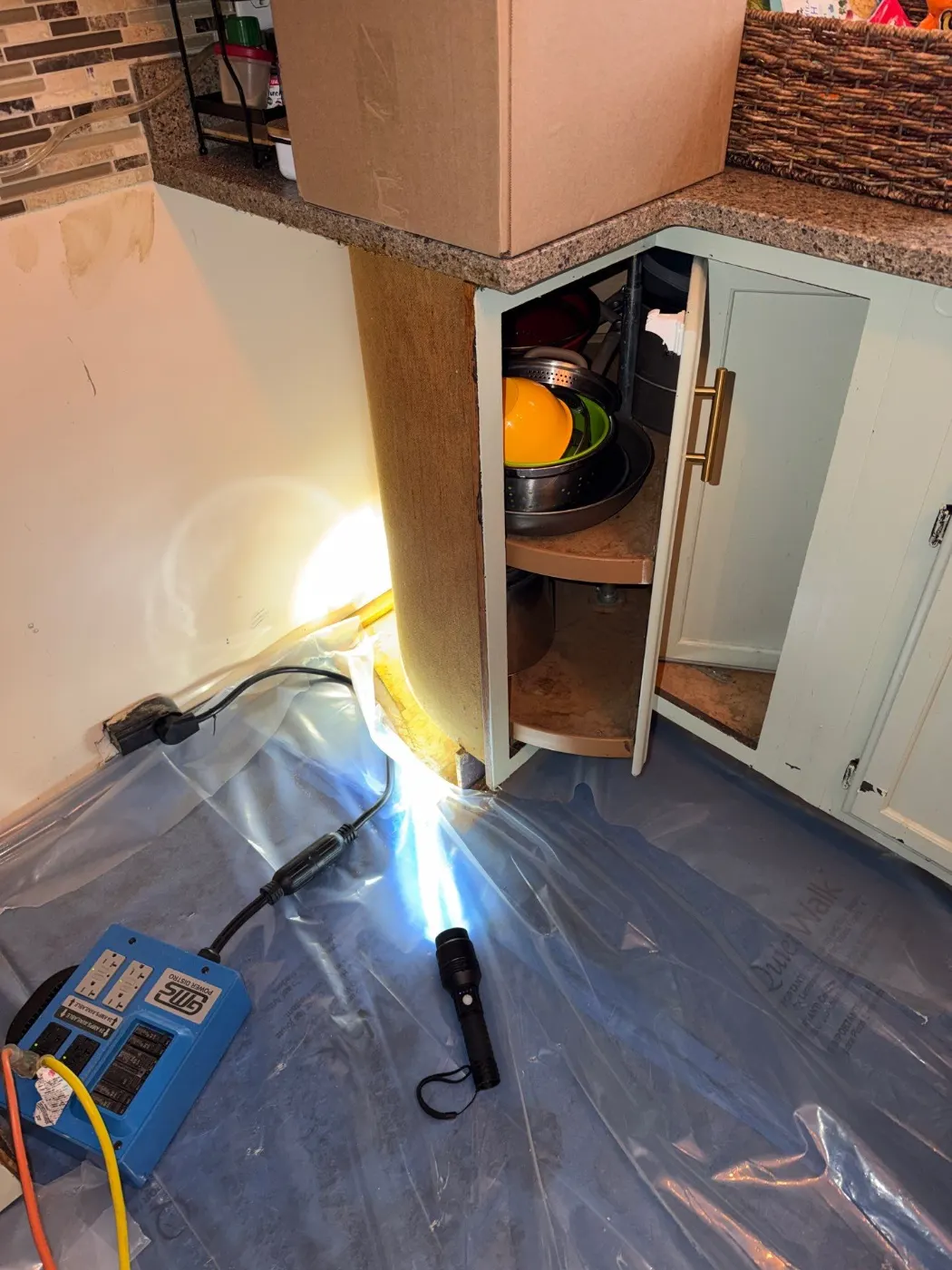
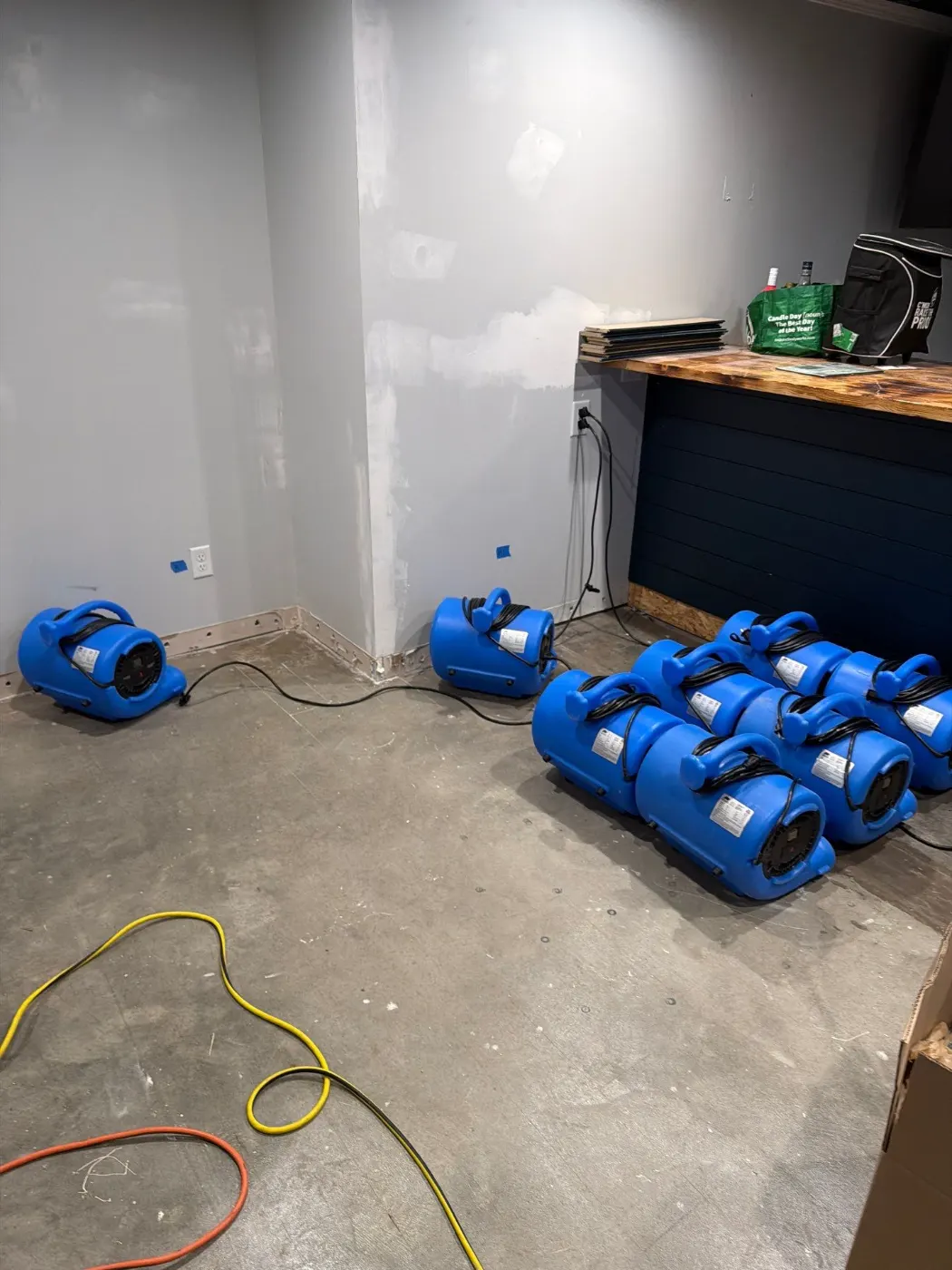
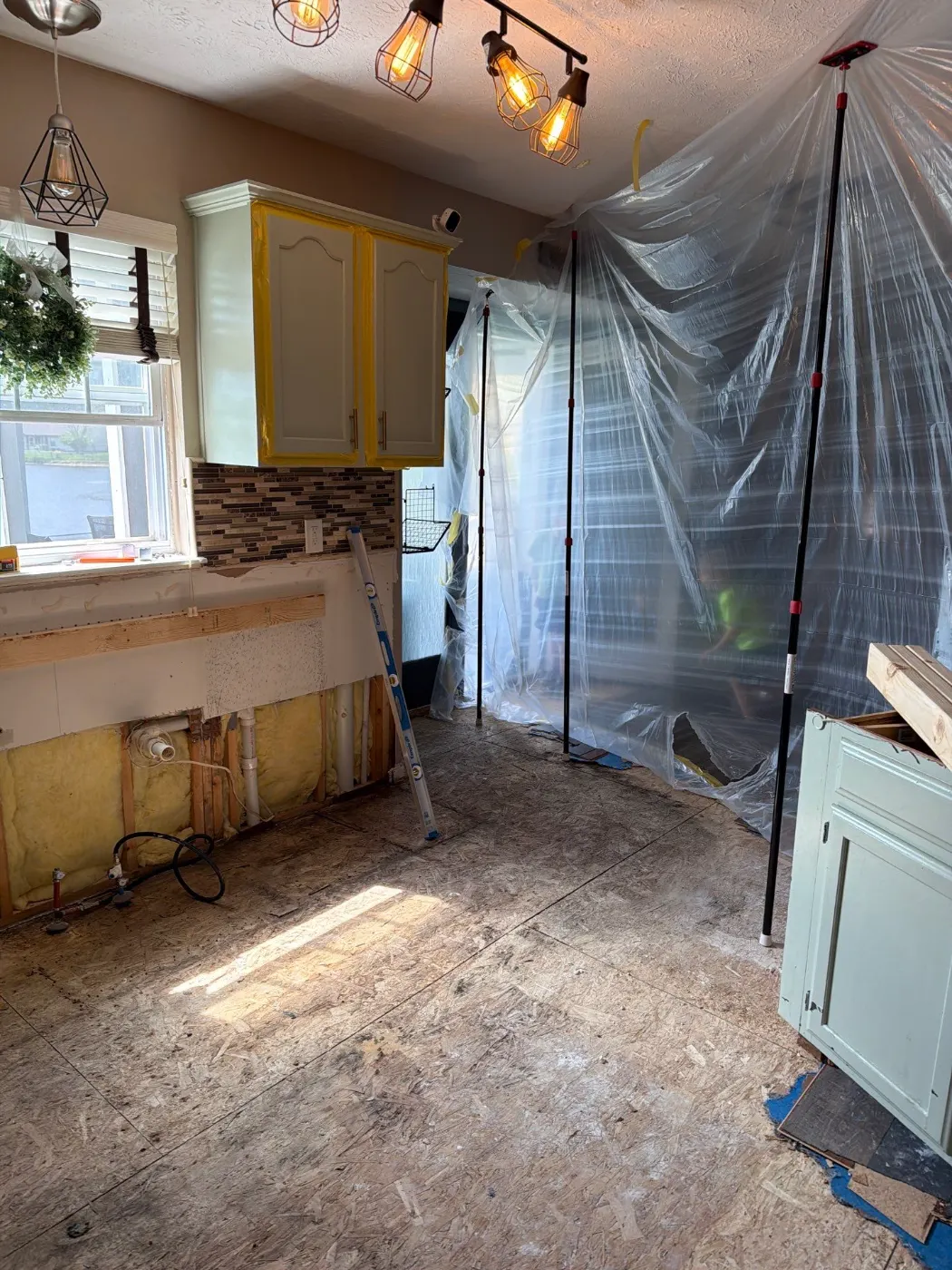
Photographs from real commercial flood damage cleanup jobs completed by our crew in Pheasants Run and surrounding areas.
Commercial Flood Damage Cleanup FAQ
Questions Pheasants Run property managers ask us about commercial flood damage cleanup.
Guidance and Standards for Commercial Flood Damage Cleanup
- The ANSI/IICRC S500 is the published standard for professional water damage restoration. The current edition is the Fifth Edition, 2021. IICRC S500 Standard
- EPA advises drying water damaged areas and items within 24 to 48 hours to prevent mold growth. EPA: A Brief Guide to Mold, Moisture and Your Home
Pheasants Run Neighborhoods We Serve
We take commercial flood damage cleanup calls in every part of Pheasants Run. Pick your neighborhood for local details.
Other Restoration Services in Pheasants Run
Pheasants Run Water Restoration handles the full scope of restoration work. Explore our other services below.
Water Damage Restoration in Pheasants Run
24/7 emergency response. IICRC certified water restoration from extraction to full dry out.
Learn more →Basement Flooding in Pheasants Run
Basement water emergencies handled fast. Extraction, drying, mold prevention.
Learn more →Sewage Cleanup in Pheasants Run
Category 3 biohazard cleanup. Full containment, decontamination, structural restoration.
Learn more →Request Commercial Flood Damage Cleanup
Reach Us Directly
Our team is available 24/7 for emergencies and ready to schedule inspections during business hours.
Need Immediate Help?
For active water or mold emergencies, call us directly. We are available 24/7.