Sewage Cleanup in Pheasants Run, IN
Sealed work zones and careful waste handling for sewage backups across Pheasants Run and Boone County
For Sewage Cleanup in Pheasants Run, Pheasants Run Water Restoration brings the equipment, the certifications, and the paperwork: 24/7 response, written scopes, and insurance claim support. Call (765) 436-6771 for dispatch.
- Service: Sewage Cleanup for Pheasants Run homeowners
- Service area: Pheasants Run, IN and surrounding areas
- Response time: 24/7 answering with priority emergency dispatch across Pheasants Run
- Licensed and insured (License #RC21100059)
- Serving Pheasants Run, IN since 2018
Sewage Backup Cleanup in Pheasants Run
We clean up sewage backups in homes across Pheasants Run, and we'll disinfect whatever can stay.
When Backups Happen
Heavy rain can overload the sewer lines here and push sewage back into basements.
We work in every corner of Pheasants Run, including Benjamin Crossing and the blocks around Glen Acres Elementary School and Ross-Ade Stadium. Nearby, we handle sewage backups in Battle Ground and West Lafayette.
Expert Sewage Cleanup for Pheasants Run Homeowners
If the neighbors on your street are reporting backups too, the blockage may sit in the public main, and your town's utility will want to hear about it. Either way, the sewage that reached your Pheasants Run home still has to come out, and Pheasants Run Water Restoration handles that part.
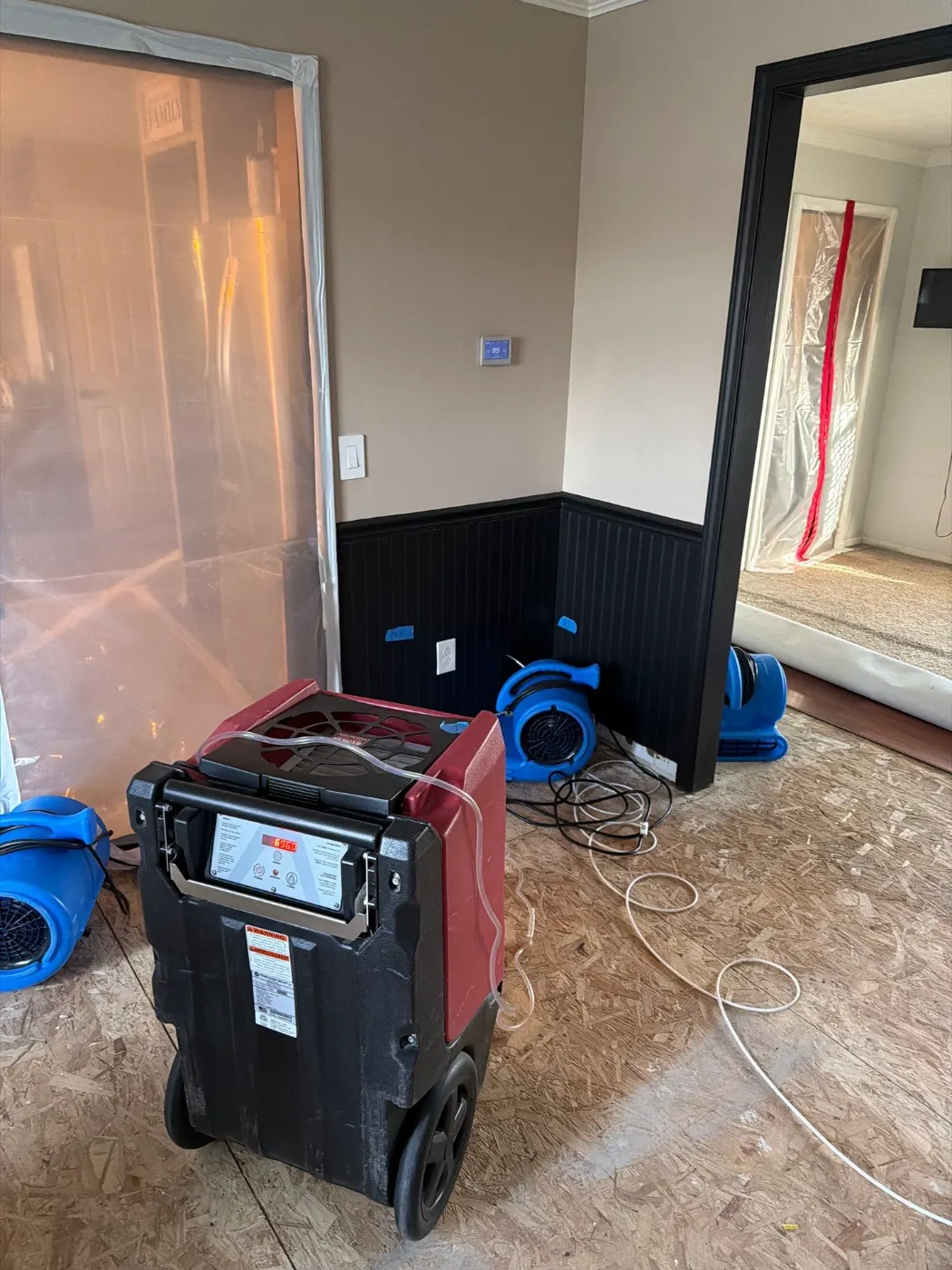
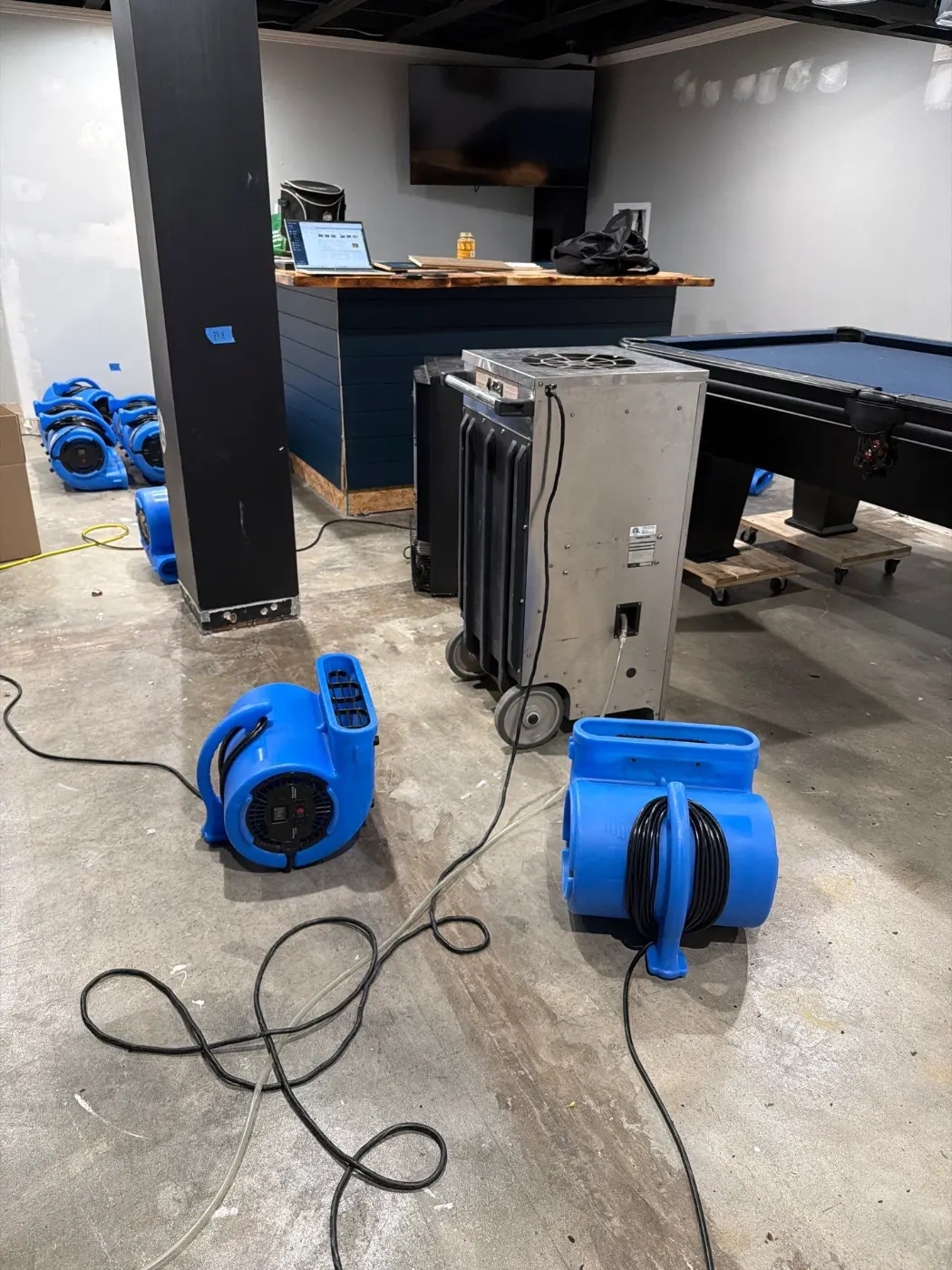
Drying waits until the contamination is out, because running air movers over sewage spreads it. Pheasants Run Water Restoration removes the waste, the soaked materials and the soil on the hard surfaces first. Then the dehumidifiers and air movers go in, and the crew reads the framing and the slab in your Pheasants Run home every day until they match dry material elsewhere in the house.
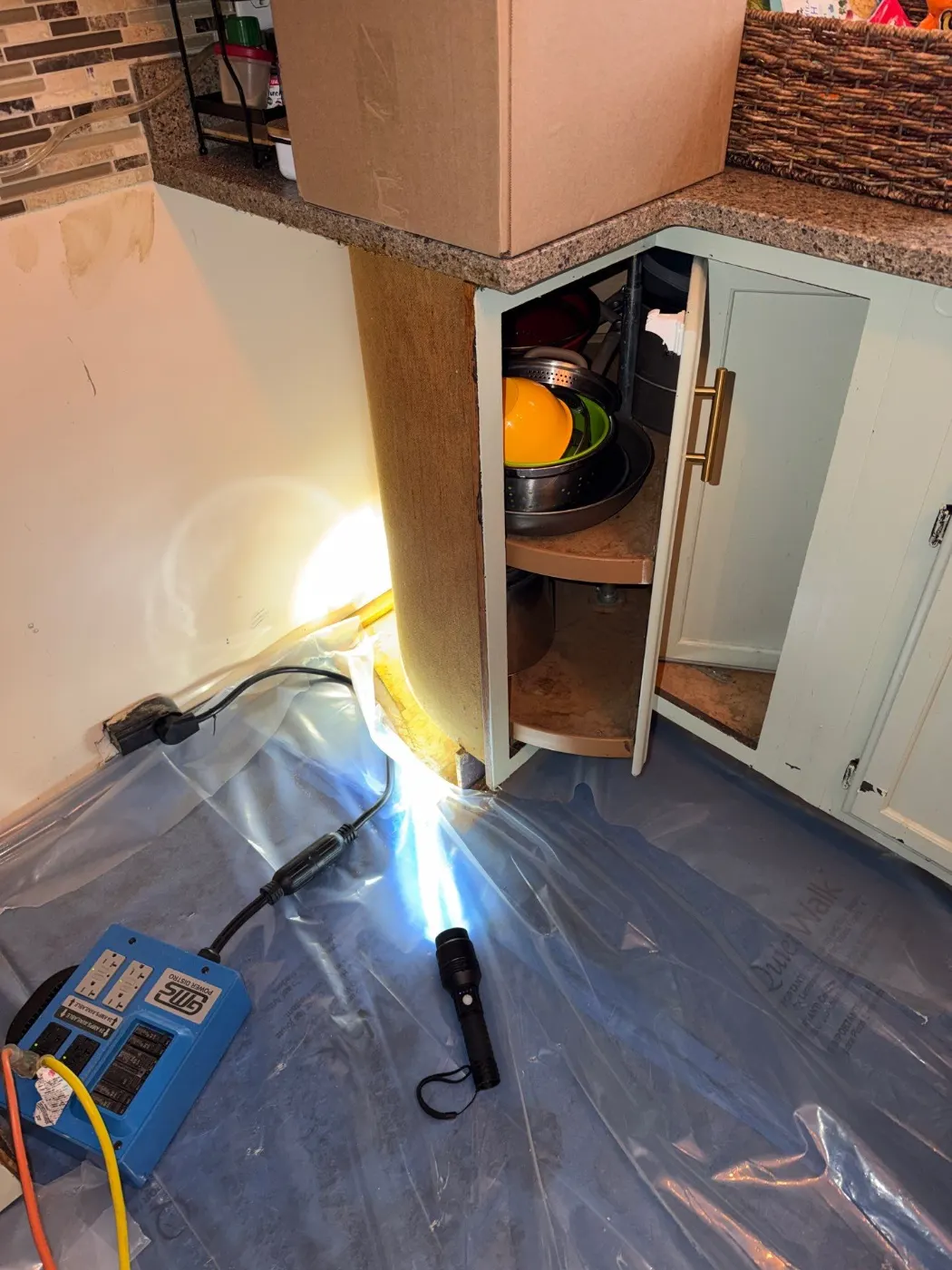
Crawl space work on a sewage loss starts with getting the standing waste and the contaminated vapor barrier out. Pheasants Run Water Restoration crews pump and extract, remove the sheeting, treat the exposed soil surface and pull down insulation that absorbed the water. New sheeting goes in after the space dries, and HEPA filtration runs the whole time so the air the house pulls up through the subfloor isn't carrying contamination with it.
Contents and structure are usually two different parts of a claim, so Pheasants Run Water Restoration inventories them separately on sewage losses in Pheasants Run. Porous items that sat in sewage get photographed, listed and disposed of with a record of what went out the door. Hard goods that cleaned up fine get documented as cleaned. The structure scope stays on its own line, and both lists go in your photo report.
If dirty water is coming up the floor drain in your Pheasants Run home during a storm, close the door to that room and phone Pheasants Run Water Restoration. The sewage keeps soaking into the floor and walls while the rain continues, and the plumbing questions can wait for a clear day.
Signs You Need Sewage Cleanup
If you notice any of these in your Pheasants Run home, schedule a free inspection before the issue worsens.
A plumber's camera finding a collapsed or offset section of the lateral under the slab
Bathroom vanity base swollen and stained after waste overflowed from the toilet
Dark wet stains spreading across the basement ceiling underneath an upstairs bathroom
Sewer cleanout cap in the yard pushed loose with water pooled around it
Toilet bubbling or gurgling on its own every time the tub or shower drains
Tile grout turning dark and sticky after standing sewage drained away
A tide line and staining on basement drywall a few inches above the floor
Dark residue visible inside a floor register after sewage reached that room
Carpet in the finished basement wet underfoot with a sour smell coming off it
A line of unusually green, soft grass running across the yard above the sewer lateral
How Pheasants Run Water Restoration Handles Sewage Cleanup
We follow these steps in order on every Pheasants Run job.
Phone Intake
The first call sorts out where the water entered and whether more is on the way. The answers set the equipment list, and you get instructions for keeping everyone out of the area until the crew starts work in Pheasants Run.
Bulk Waste Extraction
Solids handling pumps and waste rated extraction units pull the standing sewage out into the truck tank. Equipment used on sewage jobs stays dedicated to that work. Hard surfaces get squeegeed down before removal work opens up the walls.
Structural Drying
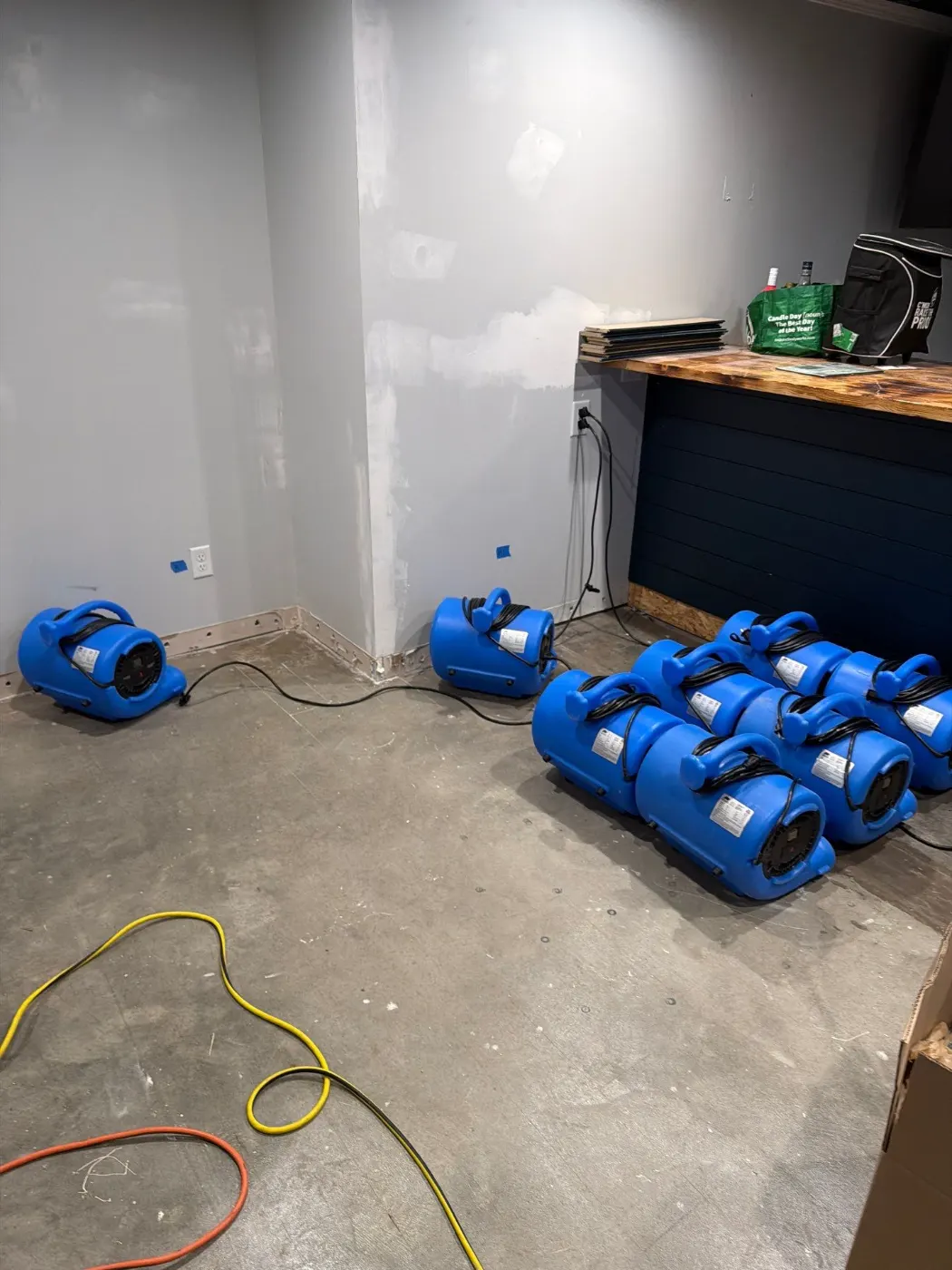
Commercial dehumidifiers sized to the affected cubic footage and air movers placed around the wet zone run until materials match unaffected baseline readings in the same house. Moisture readings get logged daily at marked locations while the equipment runs.
Daily Moisture Checks
A technician returns each day while equipment runs, taking readings at the same marked points and moving the air movers as the wet area shrinks. The numbers go in a log that shows the trend toward the dry reference.
Line follow up
After the cleanup, the plumber's camera inspection of the lateral shows why the line backed up. The crew adds those findings to your file, and it's a good moment to ask the plumber about a backwater valve.
Sewage Cleanup in Pheasants Run
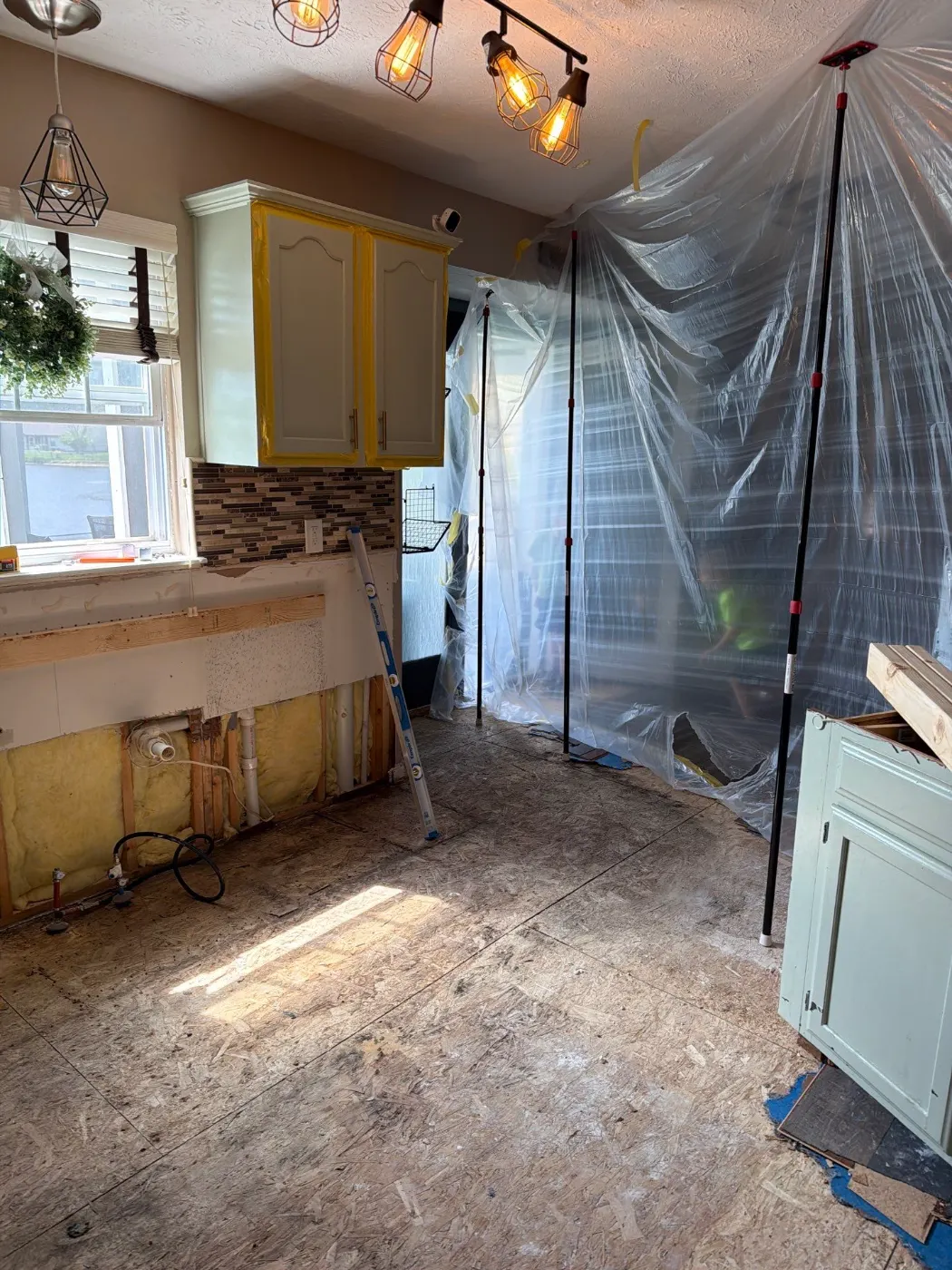
Photographs from real sewage cleanup jobs completed by our crew in Pheasants Run and surrounding areas.
Sewage Cleanup FAQ
Questions Pheasants Run homeowners ask us about sewage cleanup.
Guidance and Standards for Sewage Cleanup
- The ANSI/IICRC S500 is the published standard for professional water damage restoration. The current edition is the Fifth Edition, 2021. IICRC S500 Standard
- The Indiana Department of Insurance advises against permanent repairs before your insurance company inspects the damage. Check your own policy for what it covers. Indiana Department of Insurance: Insurance Claim Tips
Pheasants Run Neighborhoods We Serve
We take sewage cleanup calls in every part of Pheasants Run. Pick your neighborhood for local details.
Other Restoration Services in Pheasants Run
Pheasants Run Water Restoration handles the full scope of restoration work. Explore our other services below.
Water Damage Restoration in Pheasants Run
24/7 emergency response. IICRC certified water restoration from extraction to full dry out.
Learn more →Basement Flooding in Pheasants Run
Basement water emergencies handled fast. Extraction, drying, mold prevention.
Learn more →Storm Damage in Pheasants Run
Storm related water emergencies. Tarping, extraction, drying, and full restoration.
Learn more →Request Sewage Cleanup
Reach Us Directly
Our team is available 24/7 for emergencies and ready to schedule inspections during business hours.
Need Immediate Help?
For active water or mold emergencies, call us directly. We are available 24/7.